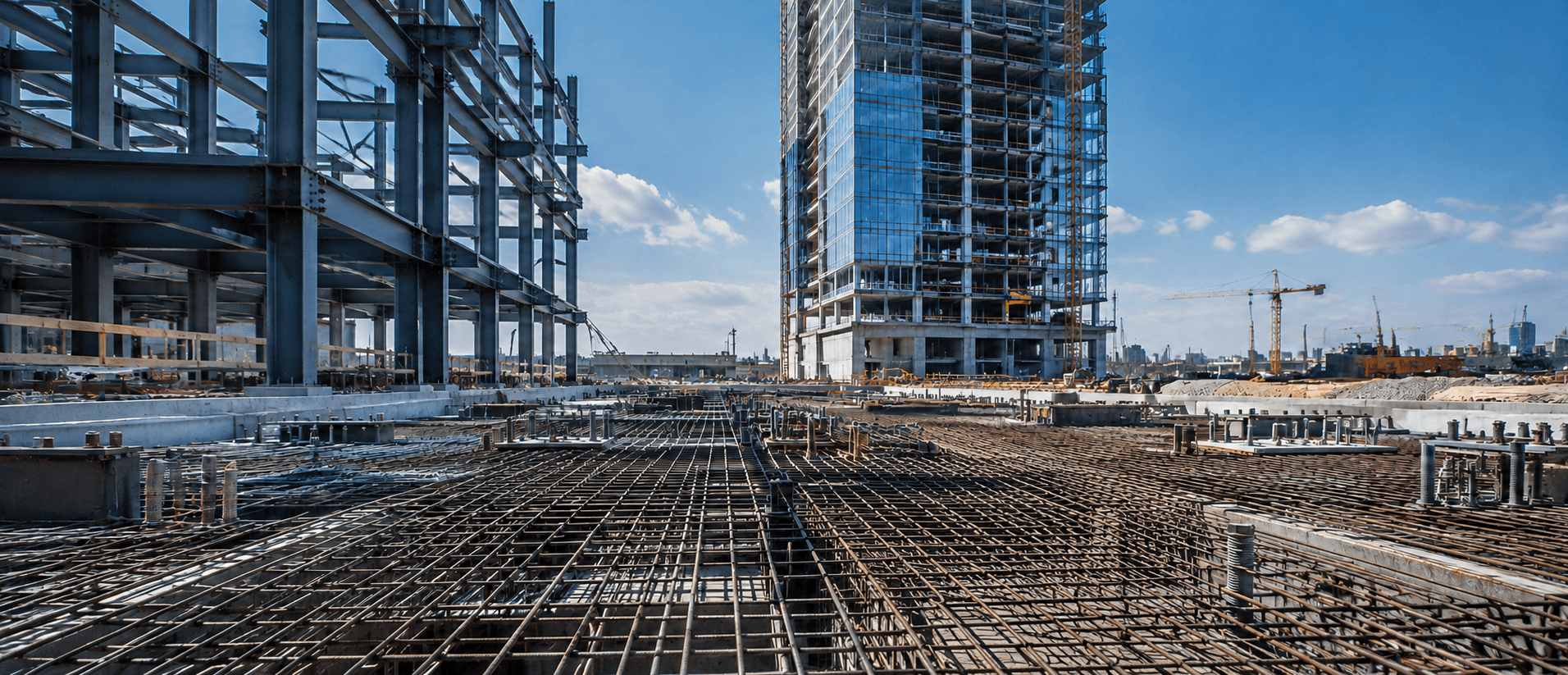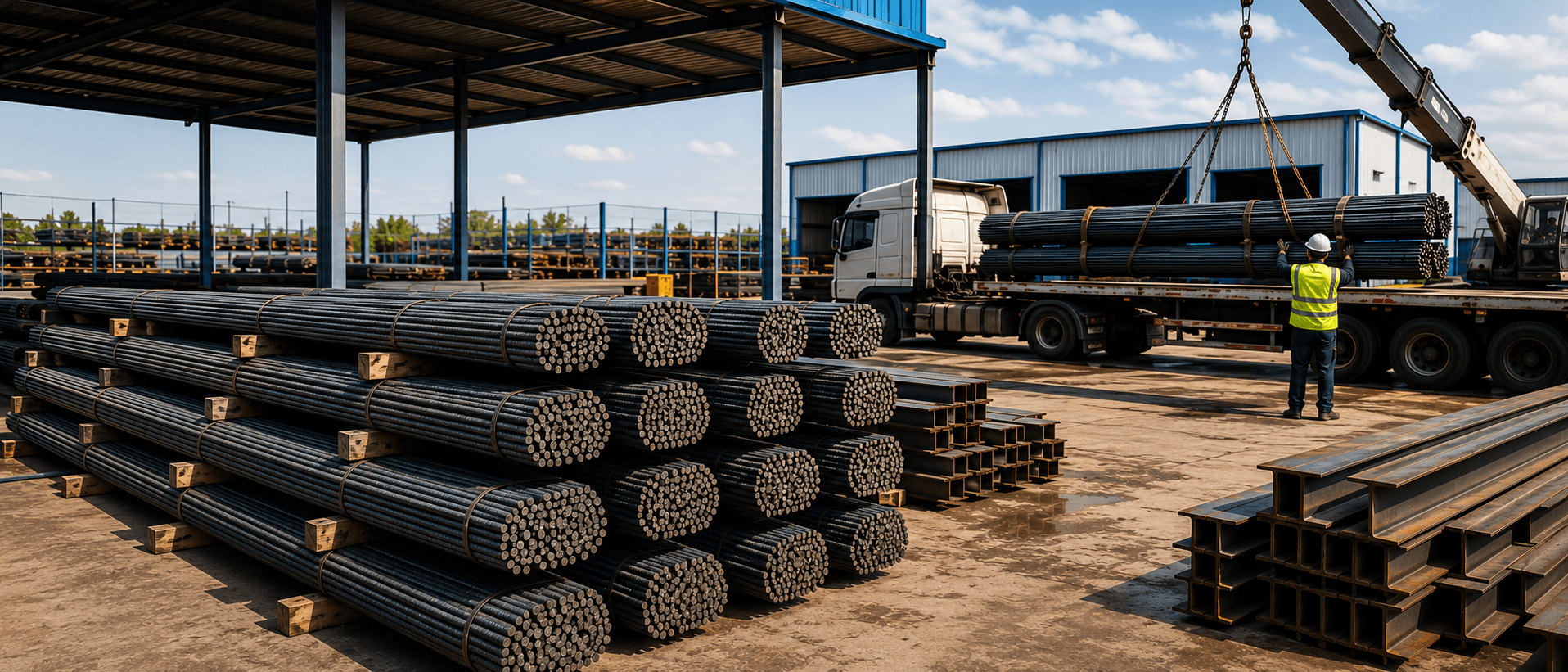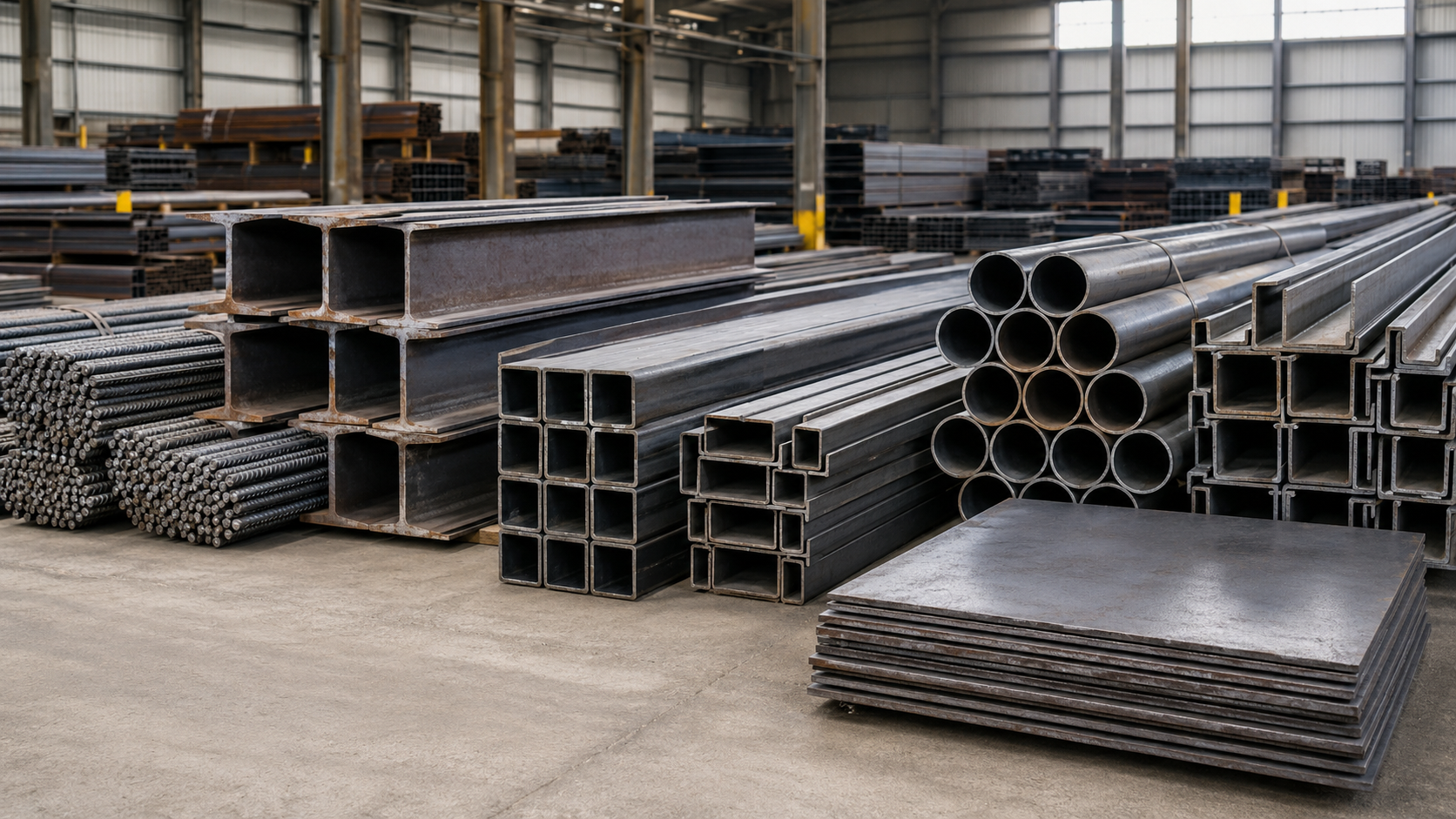
Steel structures have become one of the most important engineering solutions used today in industrial and commercial projects, warehouses, and large-scale buildings, due to their fast construction, high load-bearing capacity, and great flexibility in design. With the advancement of the modern construction industry, relying solely on traditional experience is no longer sufficient. Compliance with international standards has become a fundamental requirement to ensure quality, safety, and sustainability.
In the world of steel structure design, ASTM standards and the AISC Code are considered among the most important engineering references relied upon by leading global companies when executing steel structure projects. These standards not only ensure the strength of the structure but also guarantee manufacturing accuracy, connection safety, and the ability of the structure to withstand various loads over the long term.
In this article, we will professionally explore how steel structures are designed in accordance with international standards, and examine the key stages and principles that engineers rely on when executing modern steel structure design projects.
What Is ASTM in Steel Structure Design?
ASTM standards refer to a set of technical specifications issued by the American Society for Testing and Materials, the organization responsible for defining the properties of materials used across various engineering industries.
In the field of structural steel, ASTM defines specifications related to:
- Steel material quality
- Tensile and compressive strength
- Chemical composition requirements
- Material thickness
- Quality control and inspection testing
For example, well-known steel grades such as ASTM A36 and ASTM A572 are widely used in many steel structure design projects due to their high strength and compliance with international standards.
Compliance with these specifications ensures that the materials used are safe and capable of withstanding various operating conditions over long periods of time.
What Is the AISC Code and Why Is It Important?
The AISC Code is one of the most important engineering standards used in steel structure design. It is issued by the American Institute of Steel Construction (AISC).
It focuses on:
- Structural analysis methods
- Steel member design
- Load calculations
- Connection design
- Safety factors
- Construction and erection standards
It is considered a fundamental reference in steel structure design projects worldwide, as engineering companies rely on it to ensure that structures can efficiently withstand various types of loads with a high level of safety and performance.
Compliance with these specifications ensures that the materials used are safe and capable of withstanding various operating conditions over long periods of time.
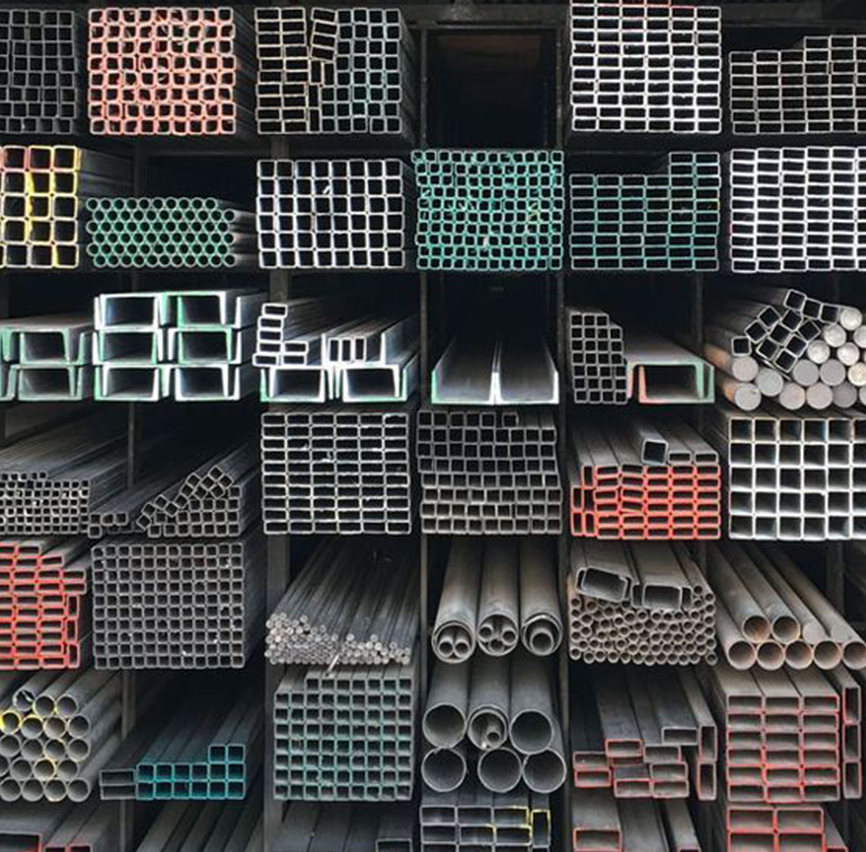
Selecting the Right Materials for Steel Structures
Choosing the right materials is not based solely on cost, but also on several important engineering factors, including:
- Steel strength
- Operating environment
- Corrosion resistance
- Ease of fabrication and installation
- Service life expectancy
Therefore, structural steel grades are selected according to precise specifications that comply with ASTM standards to ensure the highest levels of quality and safety.
Stages of Steel Structure Design
Project Study and Engineering Requirements
The steel structure design process begins with understanding the nature of the project and its operational and architectural requirements, such as:
- Type of use
- Building dimensions
- Number of floors
- Site conditions
- Expected loads
This stage helps the engineer determine the most suitable structural system and select the most efficient design solutions.
Structural Analysis and Load Calculations
The load calculation stage is considered one of the most critical phases of steel structure design, during which the following are calculated:
- Dead Loads
- Live Loads
- Wind Loads
- Seismic Loads
- Equipment Operational Loads
Specialized engineering software is used to analyze the structure and verify its stability in accordance with AISC Code requirements and international engineering standards.
Steel Connection Design
The Importance of Connections in Structural Strength
Connections play a fundamental role in the success of any steel structure design project, as they serve as the load transfer points between different structural elements.
Connections are generally classified into:
- Welded Connections
- Bolted Connections
- Combined Connections
These connections are carefully designed in accordance with the AISC Code to ensure they can withstand various forces and prevent any potential structural weaknesses in the future.
In addition, thorough testing and inspections are carried out on welding and fastening works to verify that the execution complies with the approved engineering drawings and project specifications.
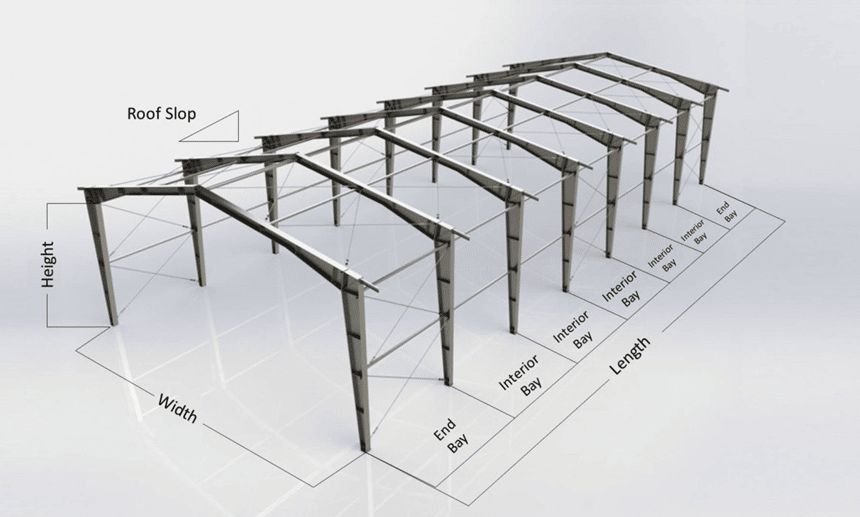
The Importance of Quality and Safety in Steel Structure Design
Compliance with international standards is not limited to design quality alone; it extends to every stage of the project, from material selection to final erection and installation.
Implementing quality standards provides numerous benefits, including:
- Enhancing safety levels
- Reducing the likelihood of failures
- Extending the service life of the structure
- Lowering maintenance costs
- Improving construction efficiency
For this reason, we rely on strict quality control systems during both fabrication and erection in steel structure design projects.
Common Mistakes in Steel Structure Design
Despite the advancement of engineering technologies, some mistakes still frequently occur in steel structure projects, including:
Inadequate Load Analysis
Inaccurate load estimation can lead to serious structural problems over the long term.
Use of Non-Compliant Materials
Using materials that do not comply with ASTM standards directly affects the safety and reliability of the structure.
Insufficient Connection Design
Any error in connection design can result in poor load transfer between steel members, compromising the overall structural performance.
Ignoring Thermal Expansion and Corrosion
In certain environments, particularly industrial and coastal areas, corrosion and thermal expansion must be taken into account during the design process to ensure long-term durability and structural integrity.
Benefits of Complying with International Standards in Steel Structure Design
When steel structure design is carried out in accordance with international standards, it provides the project with significant advantages, including:
- Higher construction quality
- Greater engineering accuracy
- Longer service life
- Reduced structural risks
- Easier engineering approvals and consultations
- Compliance with international project requirements
In addition, adherence to the AISC Code and ASTM standards enhances the confidence of clients, consultants, and contractors in the quality and reliability of the final project.
Frequently Asked Questions (FAQ)
What is the difference between ASTM and AISC?
ASTM focuses on material specifications and quality standards, while AISC concentrates on the design, analysis, and construction methods of steel structures.
Why are ASTM standards important?
Because they ensure the quality of the materials used and their ability to withstand loads and various operating conditions.
What is the importance of the AISC Code in steel structure design?
It helps ensure structural safety and achieves the highest levels of reliability, efficiency, and performance.
Does the steel structure design process vary depending on the type of project?
Yes, it varies according to the intended use, load requirements, site conditions, and operational needs of the project.
What are the best software programs for steel structure design?
Engineering companies commonly use specialized software such as SAP2000, ETABS, Tekla Structures, and STAAD.Pro for the design and analysis of steel structures.
Conclusion
Compliance with ASTM standards and the AISC Code in steel structure design ensures the execution of safer, more efficient, and higher-quality steel structures over the long term. With the continuous advancement of steel structure design technologies, engineering precision and the selection of appropriate materials have become essential factors for the success of any modern construction project.