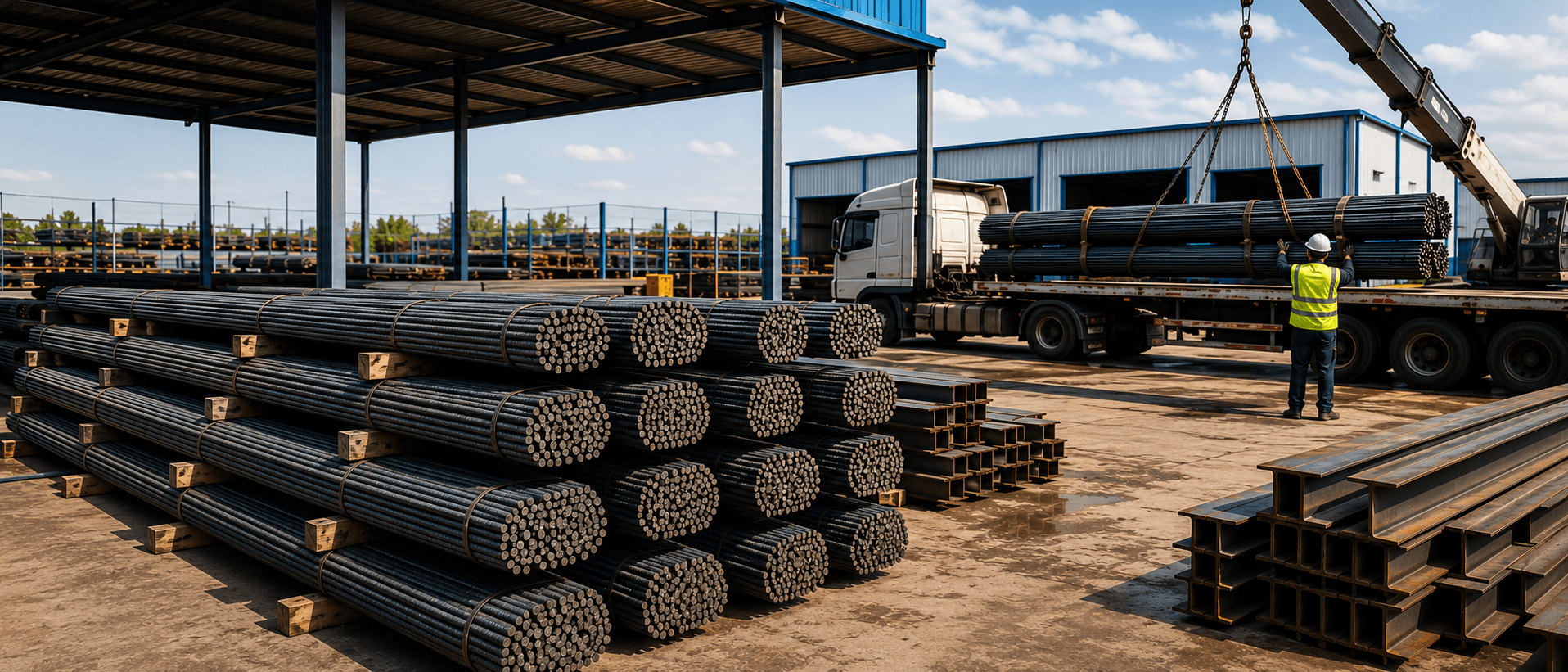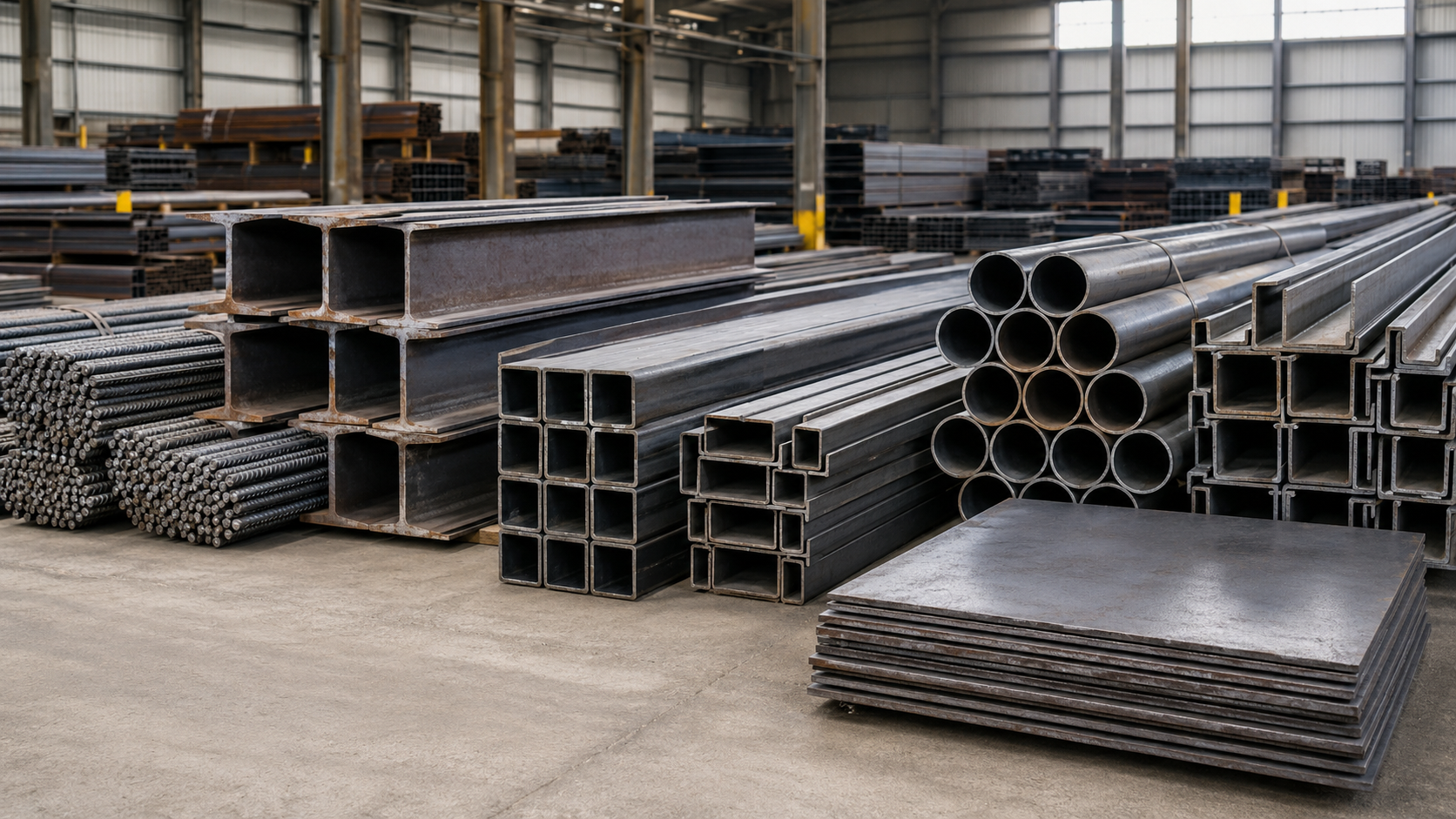
Choosing a structural steel supplier is not a decision based solely on cost; it is a factor that directly affects project quality, structural safety, and adherence to the execution schedule. Structural steel is used in the core elements of buildings and industrial and commercial facilities, and any defect in its quality or delay in its supply may lead to financial losses, work delays, or structural risks that cannot be overlooked.
Therefore, construction companies, engineers, and real estate developers need to evaluate suppliers carefully before entering into a contract, especially for projects that require large quantities or precise specifications. In this article, we review the most important criteria for selecting a reliable steel supplier and how to verify the quality of the steel before purchasing.
Why Is Choosing the Right Structural Steel Supplier an Important Decision?
Choosing a structural steel supply company affects multiple aspects of a project. A reliable supplier does not merely sell steel; they also contribute to supply chain stability, ensure materials are available at the right time, and reduce the risk of disruptions during execution.
When relying on an unreliable supplier, issues may arise such as inconsistent specifications, delayed shipments, poor after-sales service, or the absence of steel quality certificates. These problems may affect material approval by the consultant and delay installation, casting, or fabrication stages.
A professional supplier, on the other hand, provides structural steel that complies with the required specifications, along with clear documentation and the ability to meet the project’s needs according to the agreed quantities and delivery schedules.
Key Criteria for Choosing a Structural Steel Supply Company
When searching for the best steel supply company, price should not be the only consideration. Price is important, but it is not sufficient unless it is supported by clear quality and reliable service.
1. Structural Steel Quality
The first criterion to evaluate is the quality of the structural steel. You should ensure that the steel complies with the required specifications in terms of grade, thickness, dimensions, tensile strength, and intended application. Structural steel used in construction projects must precisely match the approved drawings and technical specifications.
It is preferable to request samples or technical reports before purchasing, especially for large projects that require material approval from the consultant or project owner.
2. Certificates and Technical Documentation
The availability of steel quality certificates is one of the most important indicators of a supplier’s professionalism. The supplier should be able to provide mill certificates, test reports, and certificates of conformity when required.
These documents help engineers or contractors verify that the steel approved for the project complies with local and international standards and reduce the likelihood of the materials being rejected on site.
3. Ability to Meet the Required Quantities
It is important to ensure that the supplier can provide the required quantities of structural steel without delay. Some projects require phased deliveries according to the execution stages, while others need large quantities within a short period.
Therefore, the supplier should be asked about their inventory capacity, supply sources, logistical capabilities, and experience in handling projects of a similar scale and duration.
4. Commitment to Delivery Schedules
Delays in steel delivery may cause work crews to stop, postpone execution stages, and increase operating costs. Therefore, commitment to delivery schedules is one of the most important criteria when selecting a steel supplier.
Before entering into a contract, the supplier’s track record with previous clients can be reviewed, or a clear delivery schedule can be agreed upon, including quantities, dates, and the procedure for handling any potential delays.
5. After-Sales Service and Technical Support
A reliable supplier’s role does not end after the steel is delivered. In some cases, the client may need to modify the delivery schedule, request additional documents, or address comments raised by the consultant.
Therefore, the supplier’s response time, clarity of communication, and the availability of a team capable of providing technical and administrative support throughout the project stages should be evaluated.
How to Verify Steel Quality Before Purchasing
To ensure the quality of structural steel before entering into a contract, you can follow a few simple but essential steps:
- Request certificates of conformity and test reports.
- Verify the source of the steel and the manufacturer’s name.
- Review the dimensions and thicknesses according to the drawings.
- Compare the technical specifications with the project requirements.
- Request a sample or visit the supplier’s warehouse when necessary.
- Check the storage and transportation methods to prevent damage or excessive rust.
Practical example: If a project requires steel with specific specifications for an industrial building, it is not enough for the supplier to offer a suitable price. The supplier must also prove that the product complies with the required specifications and that they can deliver it within the specified timeframe.
The Importance of Certifications and Industry Standards
Structural steel specifications are a fundamental factor in the acceptance of materials within construction projects. Professional projects typically rely on local or international standards to ensure safety and quality.
The availability of steel quality certificates helps streamline approval procedures and gives contractors and consultants greater confidence in the materials used. In addition, ensuring that the steel complies with the required specifications reduces the risk of structural defects and supports adherence to safety and quality standards.
The Role of On-Time Delivery in Project Success
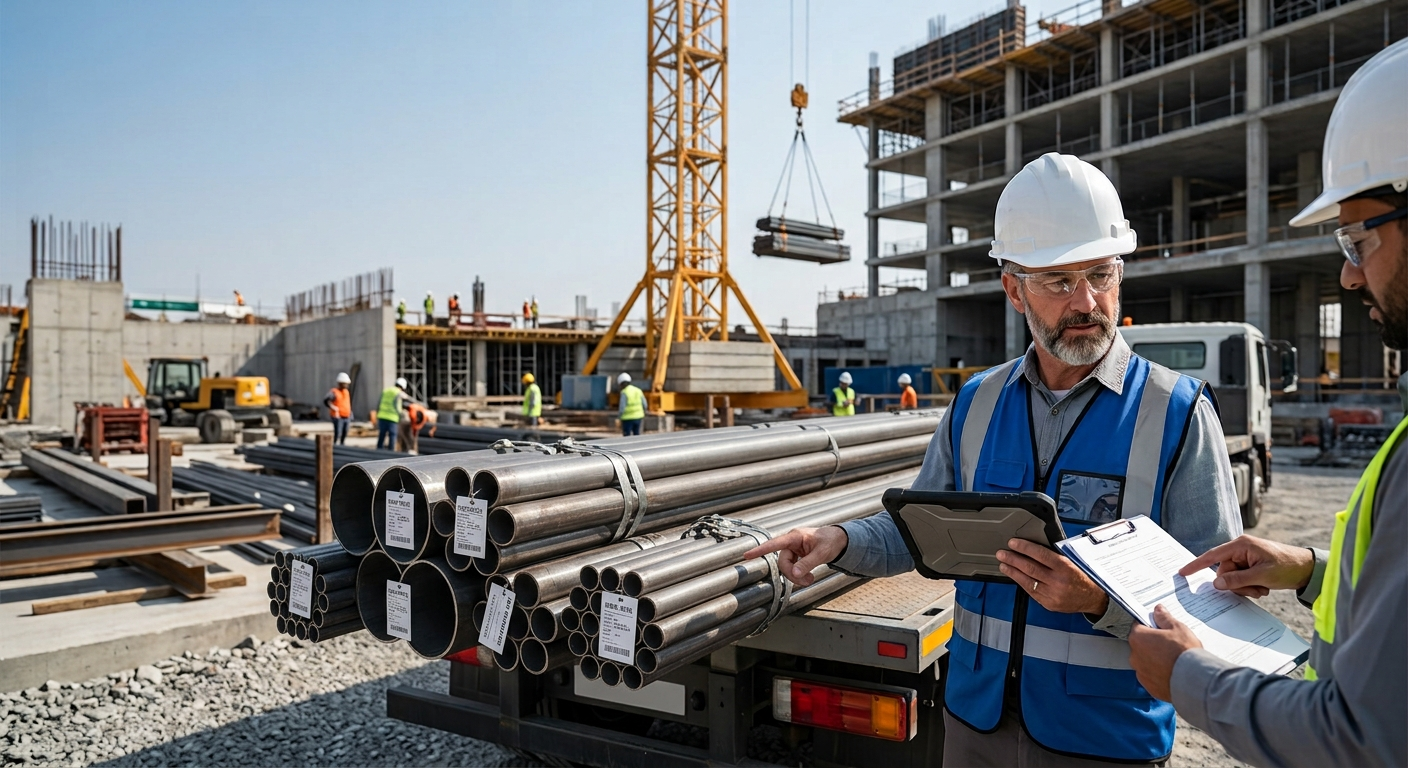
Even if the steel is of excellent quality, delays in delivery can negatively impact the success of a project. Construction projects rely on a precise schedule, and any delay in the arrival of structural steel can affect labor, equipment, and the overall execution timeline.
Therefore, a structural steel supplier should be selected based on having a clear system for managing orders, tracking shipments, and coordinating with the project team. A professional supplier understands that meeting delivery deadlines is just as important as the quality of the product itself.
Frequently Asked Questions (FAQ)
What is the most important criterion when choosing a structural steel supplier?
The most important criterion is the quality of the structural steel and its compliance with the required technical specifications, along with the supplier’s ability to provide quality certificates and consistently meet delivery schedules.
How can I verify that structural steel meets the required specifications?
You can verify compliance by reviewing certificates of conformity, test reports, the steel’s source and manufacturer, and its technical dimensions, then comparing these with the project requirements and the approved drawings.
Does the lowest price mean the best choice when purchasing structural steel?
Not always. A lower price can be a good option if the quality and supporting documentation are clearly verified. However, relying on price alone may lead to problems with material approval or project execution.
Why are steel quality certificates important?
They confirm that the structural steel complies with the required industry standards, help facilitate approval by the consultant or project owner, and reduce the risk of using materials that are not suitable for the project.
What is the supplier’s role in a project after the steel has been delivered?
A supplier’s role goes beyond delivery. It also includes providing technical support, supplying the required documentation, adjusting delivery schedules when necessary, and addressing any material-related issues or comments that arise during the project.
Conclusion
Choosing a reliable structural steel supplier is an essential step in ensuring project quality, safety, and uninterrupted workflow. Do not rely on price alone; evaluate the supplier based on steel quality, certifications, adherence to delivery schedules, ability to meet the required quantities, transparency, and after-sales service.
The more professional and transparent the supplier is, the greater the project's ability to comply with the required technical specifications and delivery schedule, resulting in safe, reliable, and high-quality structural outcomes.