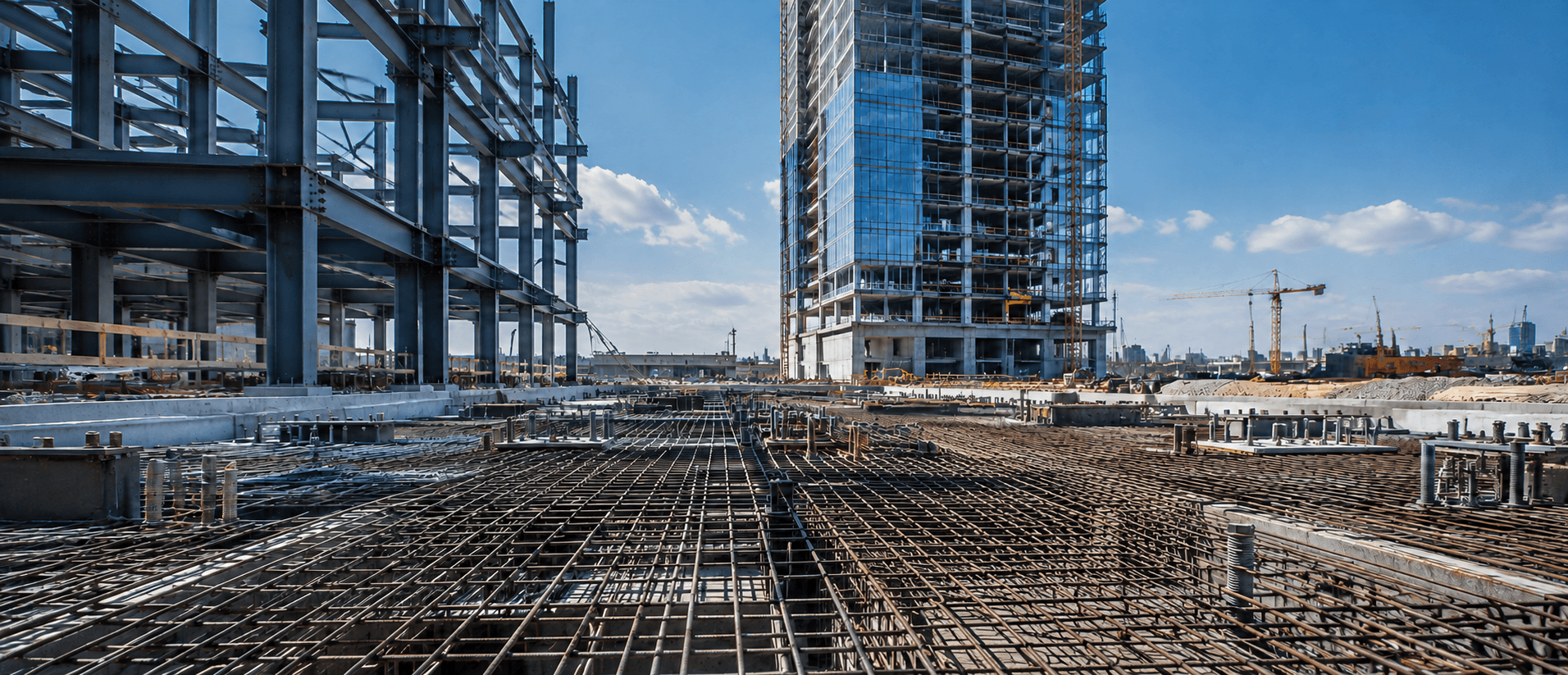
Proper storage of structural steel is one of the most important steps for maintaining material quality and reducing waste before it is used in a project. Steel may be exposed to moisture, rust, bending, impacts, and improper handling, which can increase treatment or replacement costs and affect execution speed.
Maintaining structural steel includes selecting a suitable storage location, keeping it elevated above the ground, organizing it by type and size, inspecting it regularly, and applying safe procedures during transportation.
Why Is Proper Structural Steel Storage Essential?
Organized storage helps keep steel sections, plates, and reinforcing steel in suitable condition until they are needed, while also reducing contamination from mud, oils, or salts and protecting them from warping and impacts caused by improper stacking.
The importance of properly storing structural steel increases in projects that receive large quantities in stages, as leaving the materials exposed for extended periods raises the likelihood of rust and the need for cleaning or reinspection before fabrication and installation.
Proper organization also facilitates inventory control and material issuance while preventing different steel grades and sizes from being mixed within storage warehouses.
Key Causes of Steel Damage and Rust During Storage
Continuous moisture and standing water are among the main causes of surface corrosion, particularly when steel comes into contact with soil that may retain water and salts.
Poor ventilation beneath unsuitable covers can also trap moisture and cause water vapor to condense. Plastic covers placed directly against the steel may worsen the problem instead of protecting the steel from rust.
Other causes of damage include excessive stacking, poor load distribution, the use of unstable supports, and dragging or dropping steel sections, which may result in scratches, dents, or deformation.
Best Practices for Storing Structural Steel
Elevating Steel Above the Ground and Using Suitable Supports
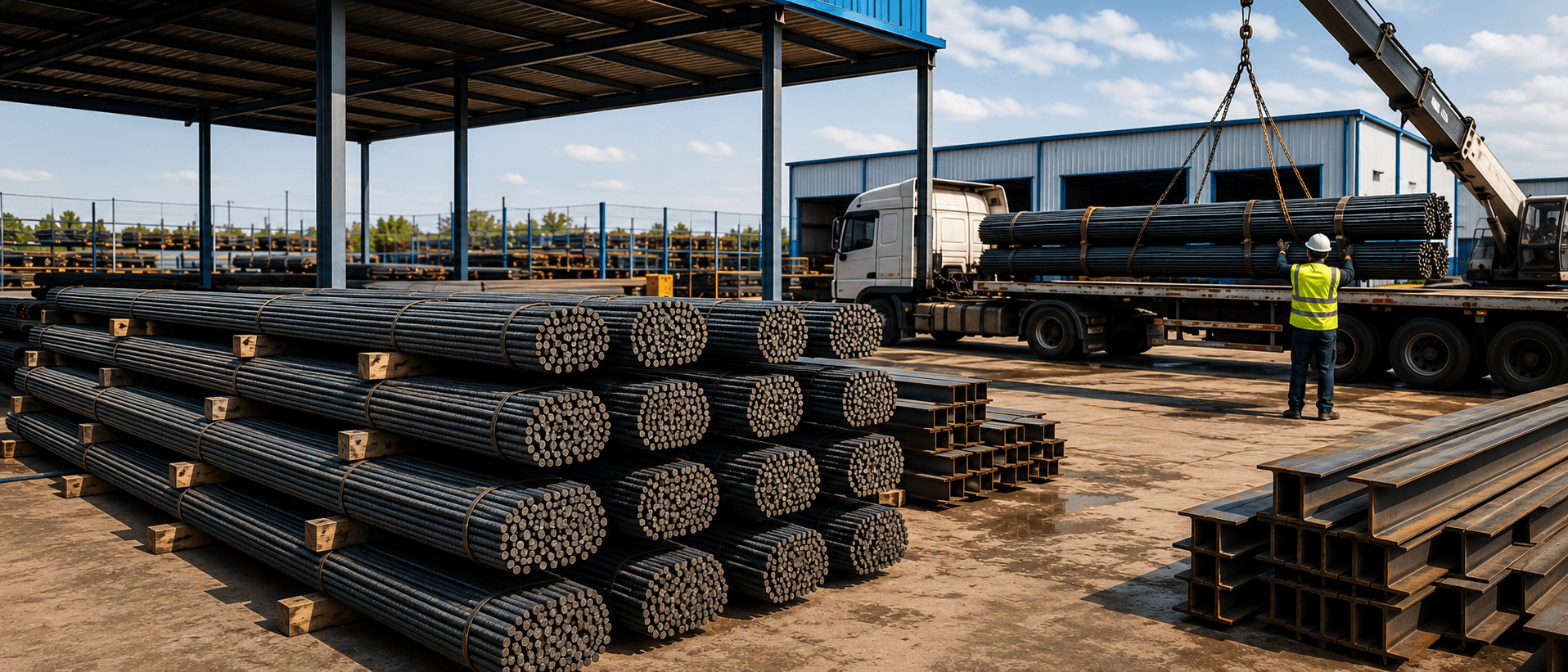
Steel should be placed on stable supports capable of bearing its weight, with sufficient clearance between the steel and the ground. This helps prevent contact with water and mud while allowing air circulation and easy inspection.
The support points should be distributed evenly, especially when storing long steel sections, to prevent sagging or bending caused by uneven load distribution.
Protection from Rain and Moisture
Steel should be covered using canopies or protective covers that prevent rainwater from reaching it without trapping moisture. The covers should be securely fixed, provided with ventilation openings, and installed at a slope to drain water away from the materials.
In coastal or high-humidity areas, structural steel should preferably be stored in covered, well-ventilated areas, while minimizing the length of time it remains on site.
Ventilation and Prevention of Water Accumulation
The storage area floor should be level and well-drained, without allowing water to collect around the supports. Roofs and drainage channels should also be inspected after rainfall to ensure there are no leaks.
Good ventilation reduces moisture condensation, but it does not mean leaving the steel exposed to weather conditions; rather, the goal is to achieve a balance between proper covering and adequate airflow.
Organizing Steel by Type and Size
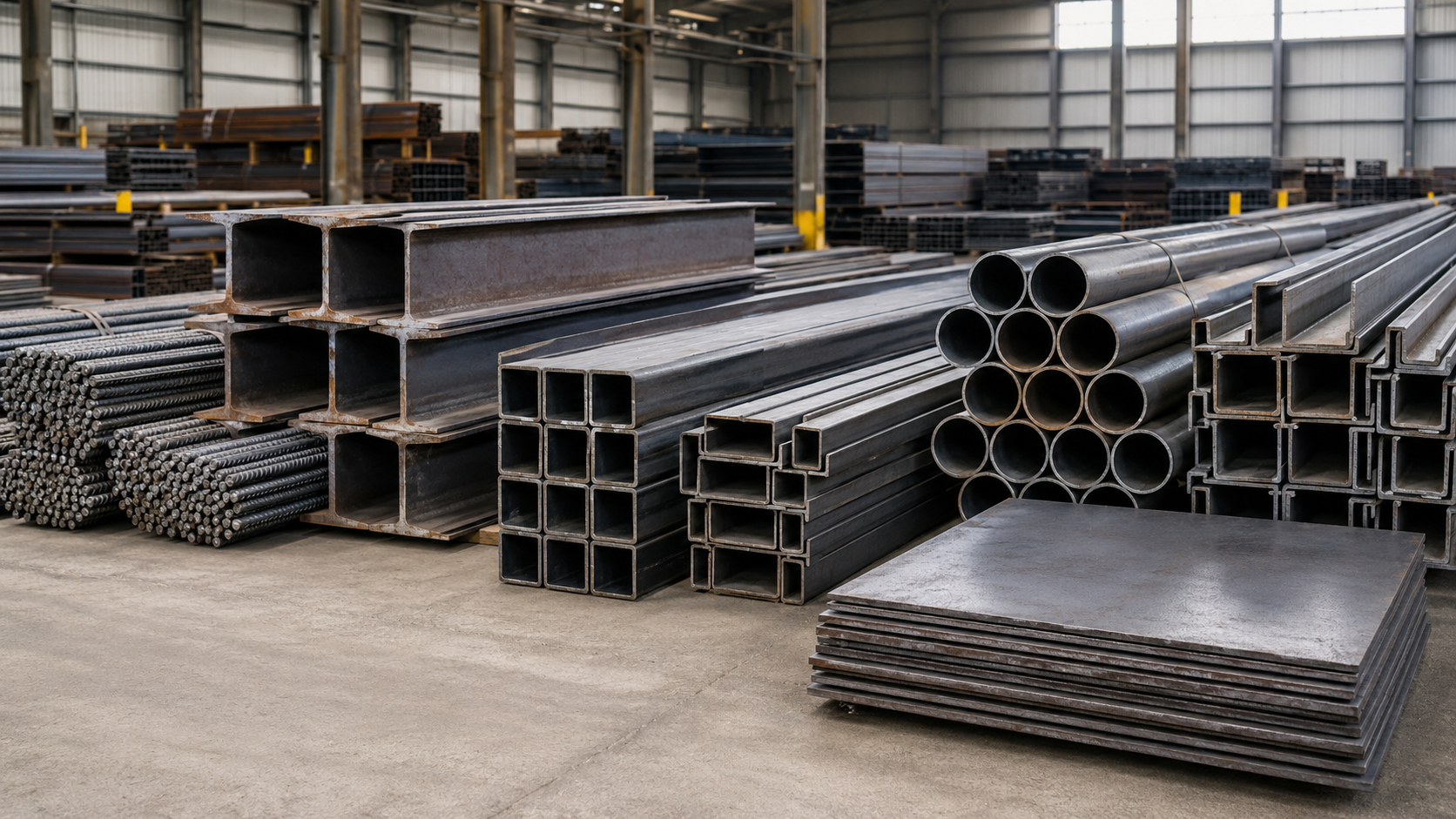
Classifying materials by type, grade, length, thickness, and batch number helps reduce errors during material issuance and handling. Clear identification labels should be used, with reinforcing steel, plates, pipes, beams, and angles stored separately.
Reinforcing steel storage requires an arrangement that makes counting and inspection easier, while storing steel sections requires supports that prevent tilting or overturning.
Periodic Inspection
Inspection includes checking the condition of the covers and supports and ensuring that there is no standing water, contamination, or advanced corrosion. If surface rust is detected, it should be assessed and cleaned in accordance with the project requirements and quality procedures.

The Impact of Improper Storage on Project Quality and Costs
Improper storage of structural steel may delay fabrication and installation due to the need for sorting, cleaning, or replacement. Damaged steel sections may also require remeasurement or engineering inspection.
The impact is not limited to material costs; it also includes labor, equipment, additional transportation, and schedule disruptions. Therefore, investing in proper storage supports, protective covering, and regular inspections is less costly than addressing damage after it occurs.
Best Practices for Transporting Structural Steel
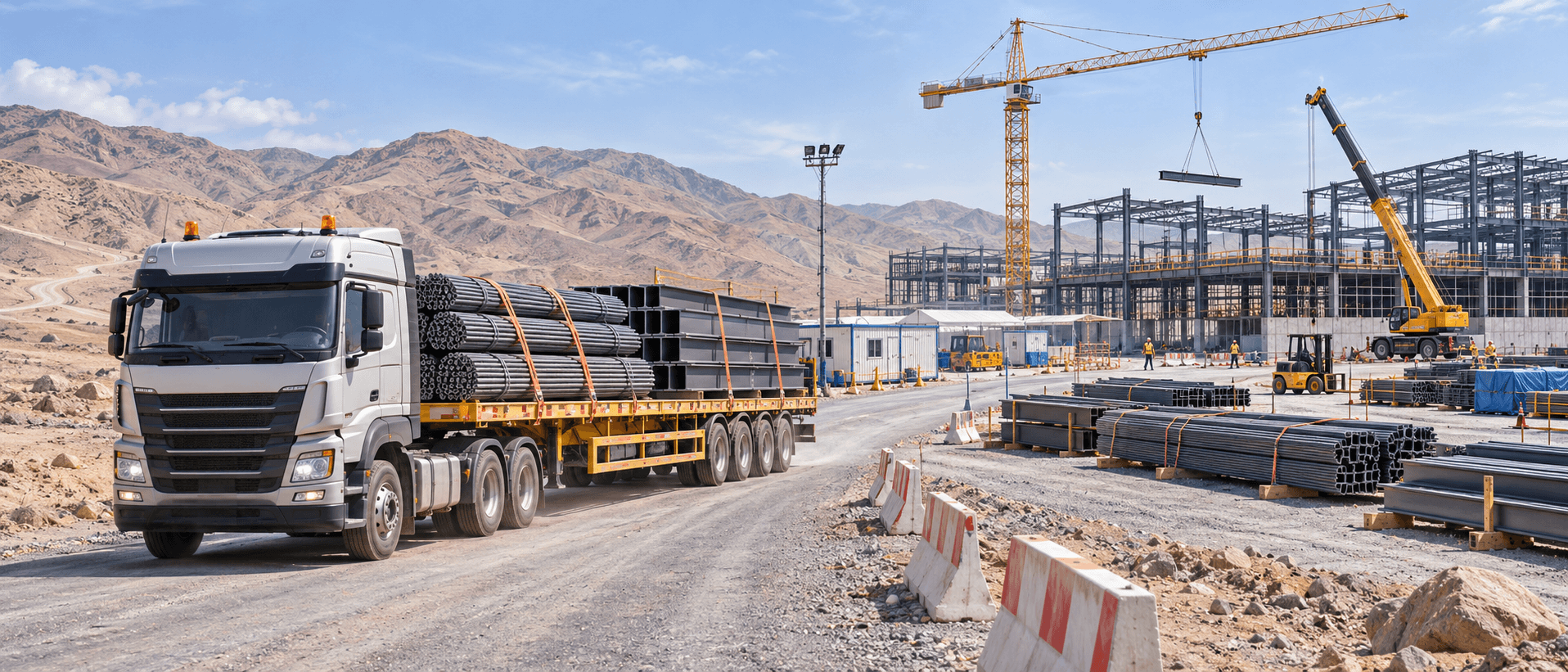
Transporting structural steel begins with selecting a truck or trailer that is suitable for the length and weight of the steel sections, while ensuring the load is evenly distributed and does not exceed the permitted limits.
The load should be secured using suitable fastening methods, with separators placed at contact points to reduce friction, protect edges or coatings, and prevent the steel components from moving during transportation.
Safe steel transportation requires the use of suitable lifting equipment and the identification of correct lifting points, while avoiding dragging or sudden dropping. Workers should also be kept away from the path of suspended loads, and lifting equipment must be inspected before use.
Common Mistakes That Lead to Steel Damage
The most common mistakes include placing steel directly on the ground, covering it with airtight covers, and stacking it without sufficient separators or supports. Other mistakes include mixing sizes and grades, neglecting identification labels, and failing to inspect the materials after rainfall.
During transportation, insufficient fastening, using an unsuitable vehicle, or lifting steel sections from incorrect points may cause bending or impact damage. Dragging steel along the ground can also damage and contaminate its surfaces.
How Does Smart Skill Help Supply and Deliver Structural Steel According to Best Practices?
Smart Skill provides and supplies structural steel in accordance with project requirements and approved drawings, with careful attention given to material receiving, inspection, sorting, preparation, and safe transportation to the project site.
The company also organizes materials according to their types and sizes and uses handling and transportation methods appropriate to the nature of the load, helping preserve the steel and reduce the risk of damage before fabrication or installation.
By coordinating delivery schedules with the project teams, unnecessary storage periods can be reduced, helping support a smoother and more efficient execution process.
Conclusion
Applying proper structural steel storage and transportation practices preserves material quality, limits rust and deformation, and reduces waste, delays, and additional costs. This begins with selecting a suitable storage location and elevating the steel above the ground, followed by proper covering, ventilation, secure fastening, and continuous inspection.
For reliable structural steel supply, preparation, and transportation solutions, contact Smart Skill to discuss your project requirements and receive the right technical support.