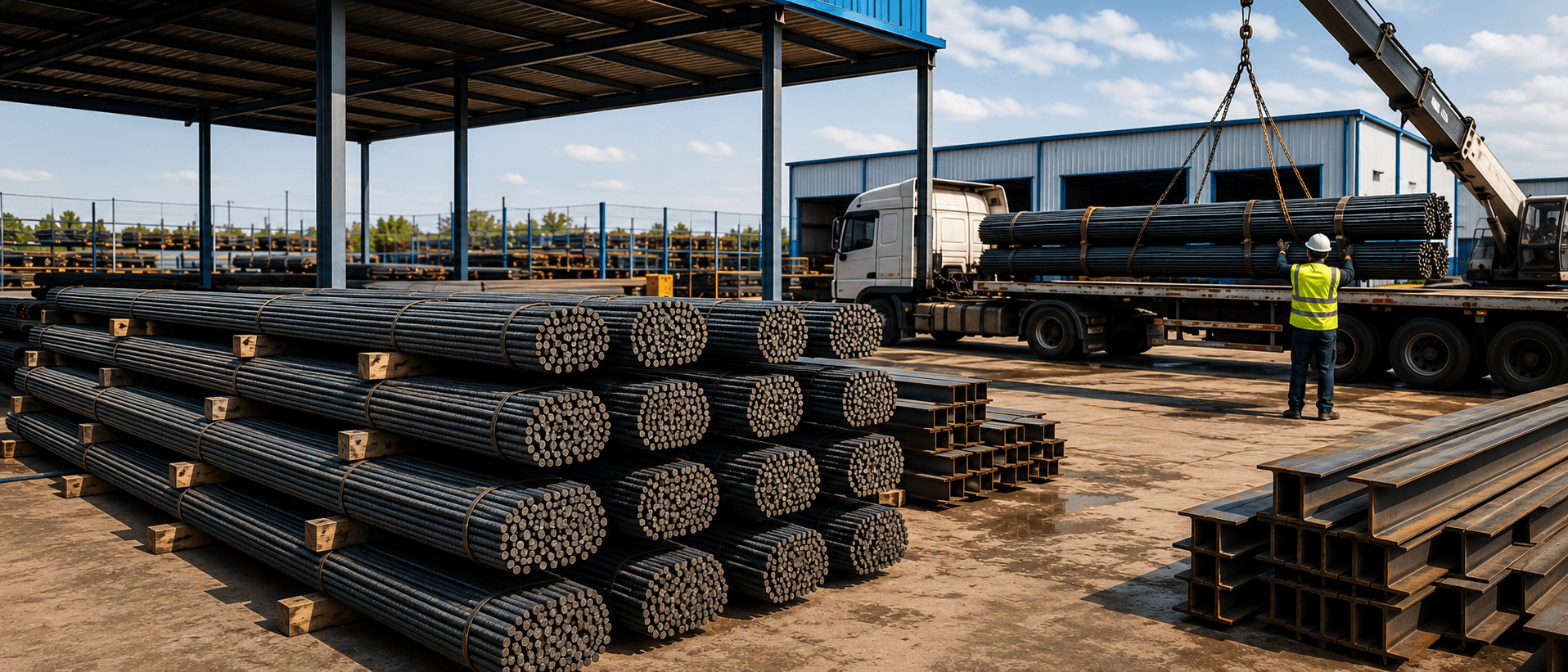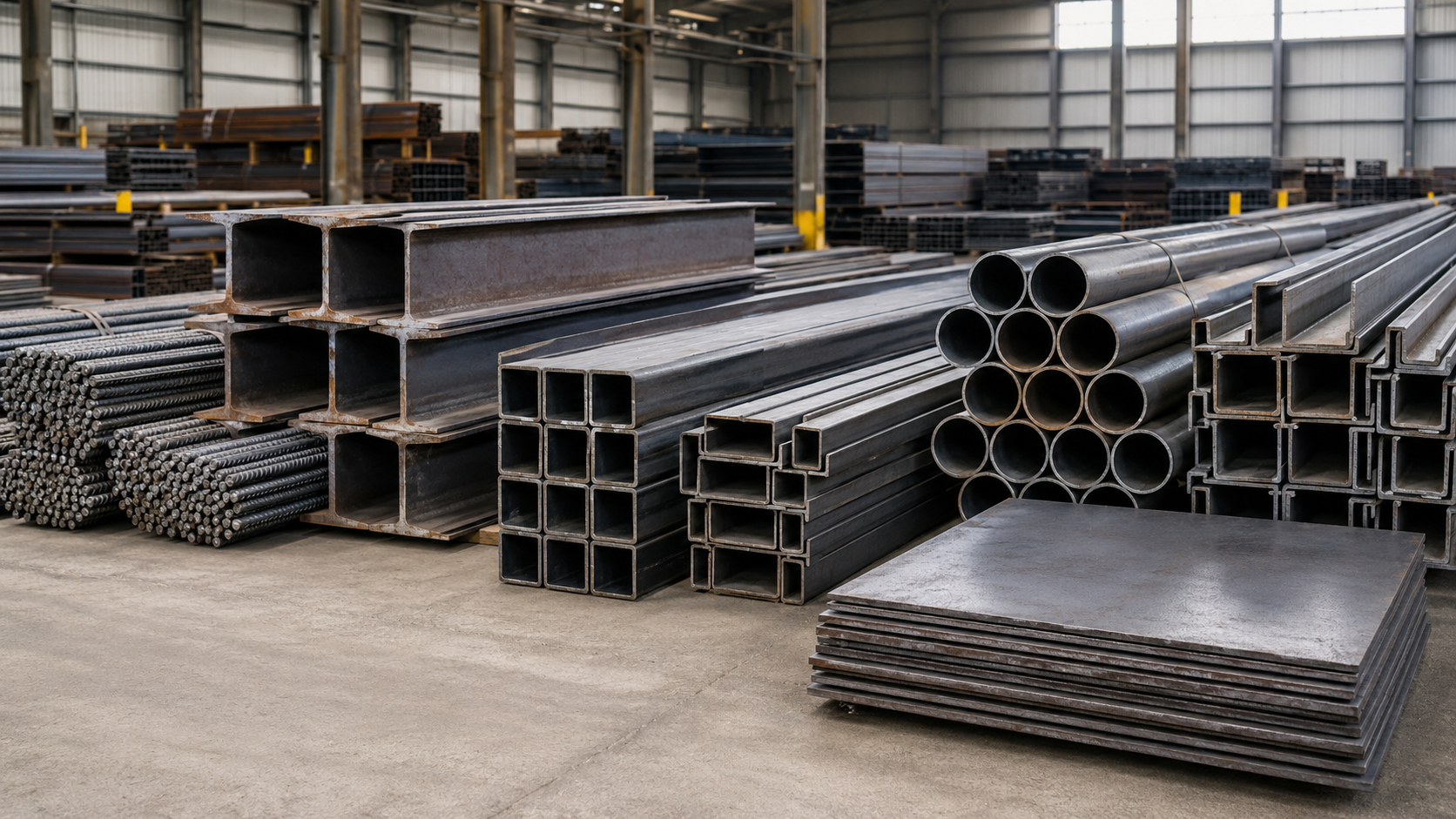

Bridges are essential components of infrastructure projects, connecting roads and facilitating the movement of vehicles and pedestrians while withstanding various loads and environmental conditions throughout their service life. Structural steel plays a crucial role in bridge construction, providing strength, durability, and structural stability, whether used as load-bearing steel sections or reinforcing steel bars embedded in concrete. Selecting the appropriate type of steel depends on the project's specific requirements, structural design, and anticipated loads, ensuring the bridge's safety, efficiency, and long-term performance.
What Is Bridge Steel?
Bridge steel refers to the iron and steel materials used to construct load-bearing components in bridges. However, there is an important engineering distinction between structural steel and reinforcing steel (rebar).
Structural steel is used to manufacture steel beams and sections that form part of the load-bearing systems in steel bridges. These components transfer loads to the bridge supports and piers.
Reinforcing steel (rebar) is embedded within concrete elements to resist tensile stresses and help control cracking. It works together with concrete, which provides high compressive strength.
The application of each material depends on the selected structural system. Therefore, structural steel and reinforcing steel cannot be considered direct substitutes without proper engineering analysis and structural design.
Key Applications of Structural Steel in Bridge Construction
يدخل Structural steel is widely used in various types of bridge construction due to its mechanical properties, versatility, and ability to be fabricated according to specific project requirements. Its main applications include:
1. Steel Bridge Construction: Primary and secondary steel beams are used to create load-bearing structural systems that support and transfer loads to the bridge supports. The shapes and arrangements of these steel sections vary depending on the structural design.
2. Fabrication of Load-Bearing Components: Structural steel is used to manufacture girders, connecting members, and other structural components that help distribute loads and maintain the required stability of the bridge.
3. Composite Bridge Construction: Some bridge systems combine steel girders with concrete deck slabs, allowing both materials to work together structurally when appropriate shear connectors are installed in accordance with the approved design.
4. Pedestrian Bridge Construction: Steel is used in pedestrian bridges because of its design flexibility and ability to accommodate various structural configurations that meet site conditions and architectural requirements.
The selection of the most suitable bridge structural system depends on several factors, including bridge span length, expected loads, site conditions, construction costs, and maintenance requirements.

The Role of Reinforcing Steel in Concrete Bridges
Reinforced concrete bridges rely on the combined performance of concrete and reinforcing steel (rebar) to achieve the required structural strength and stability. Concrete effectively resists compressive stresses, while reinforcing steel helps withstand tensile forces caused by bending and applied loads.
Proper reinforcement placement and distribution also help control cracking and improve the performance of concrete structural elements throughout their service life.
In composite bridges that combine steel girders with concrete deck slabs, Shear Studs are used to connect the steel and concrete components and transfer horizontal shear forces between them. This connection enables composite structural action and helps minimize relative movement and slipping between the two materials.
Reinforcing steel and shear stud requirements vary depending on the structural system, design loads, and approved engineering specifications to ensure bridge safety and reliable structural performance.
Reinforcement of Downstand Beams
Downstand beams are reinforced concrete beams that extend below the level of the connected floor slab. They are commonly used in building structures to transfer loads to columns or other supporting elements.
The reinforcement design of downstand beams depends on the distribution of bending moments and shear forces. Bottom or top longitudinal reinforcement is placed in tension zones according to the structural conditions, while stirrups help resist shear forces and hold the longitudinal reinforcing bars in position.
There is no universal reinforcement arrangement for all downstand beams. The required reinforcement details must be determined through structural calculations and project-specific engineering drawings.
How to Choose the Right Steel for Bridge Construction
Selecting the appropriate steel for bridge construction requires careful evaluation of several technical factors to ensure that the materials meet the specific requirements of the construction project site, Key considerations include:
Mechanical Properties: Verify yield strength, toughness, and other essential mechanical properties to ensure the steel can withstand the specified design loads.
Material Quality: Ensure that structural steel and reinforcing steel comply with approved standards and are supported by the required material certifications.
Corrosion Resistance: Select suitable corrosion protection systems based on humidity levels and exposure to surrounding environmental conditions.
Fabrication and Weldability: Consider the steel grade, connection requirements, and approved welding procedures where applicable.
Inspection and Quality Control: Follow approved engineering drawings and quality assurance procedures to verify material quality, fabrication accuracy, and proper installation.
These criteria help reduce the risk of structural defects and ensure reliable performance during both the construction and operational phases of bridge projects.
The Importance of Structural Steel Quality in Bridge Projects
The quality of structural steel directly affects bridge safety, durability, and its ability to perform effectively throughout its intended design life. Selecting suitable materials, ensuring accurate fabrication, and maintaining reliable structural connections help minimize construction issues and future maintenance requirements.
Effective coordination between structural engineers, contractors, and steel suppliers is also essential to ensure that fabricated components comply with approved engineering drawings and technical specifications. This coordination helps ensure that all necessary inspections and quality checks are carried out before and during installation.
Conclusion
Steel plays a fundamental role in both steel and reinforced concrete bridge construction. Its successful application depends on selecting the appropriate materials, maintaining high fabrication standards, and adhering to approved structural engineering designs.
For inquiries about structural steel products and related services, contact Smart Skill to explore available solutions that meet the specific requirements of your construction and infrastructure projects.