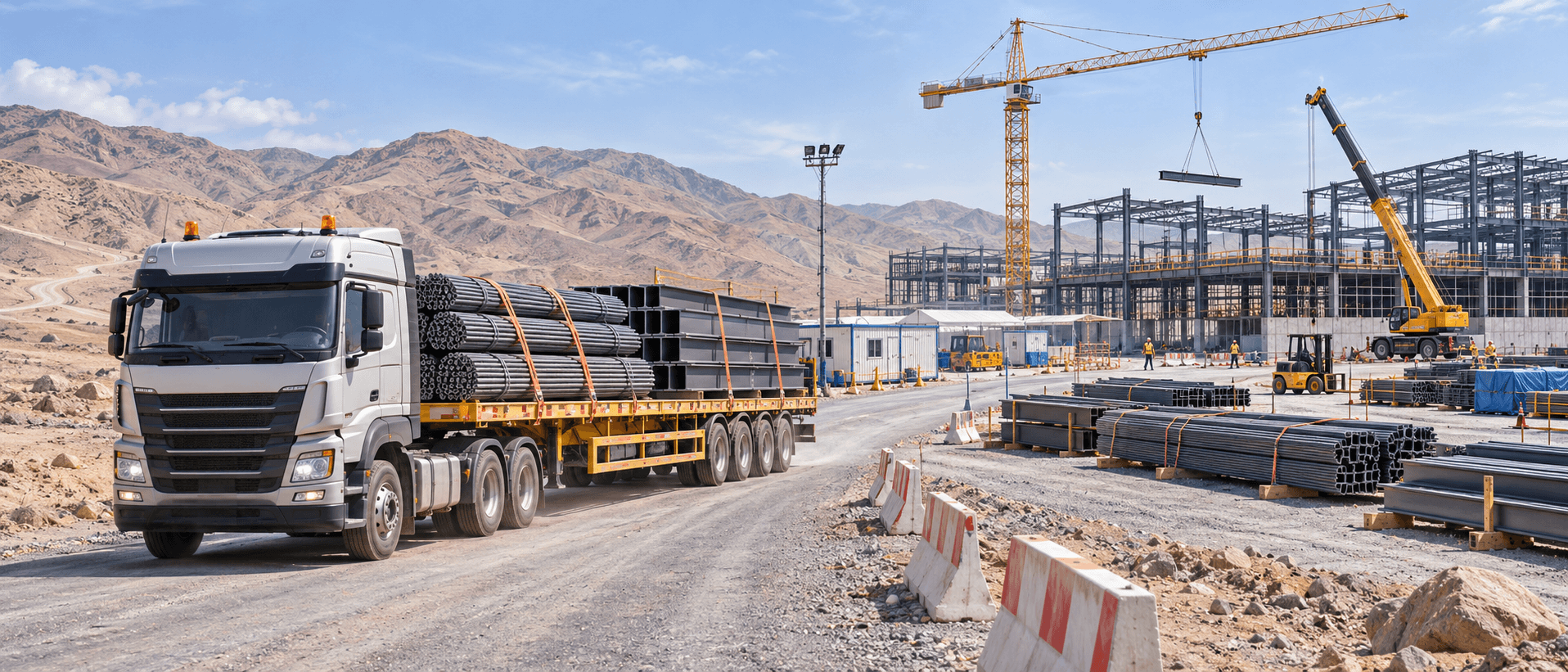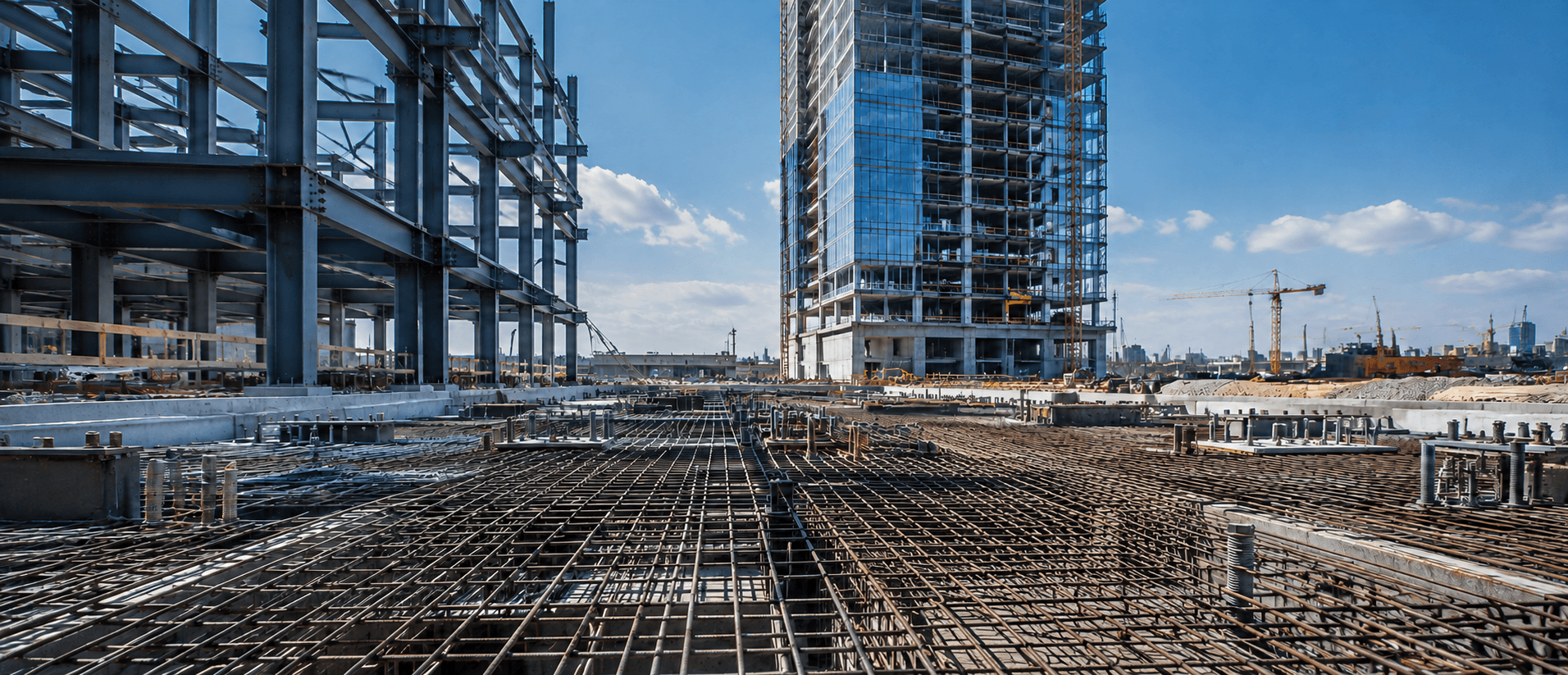
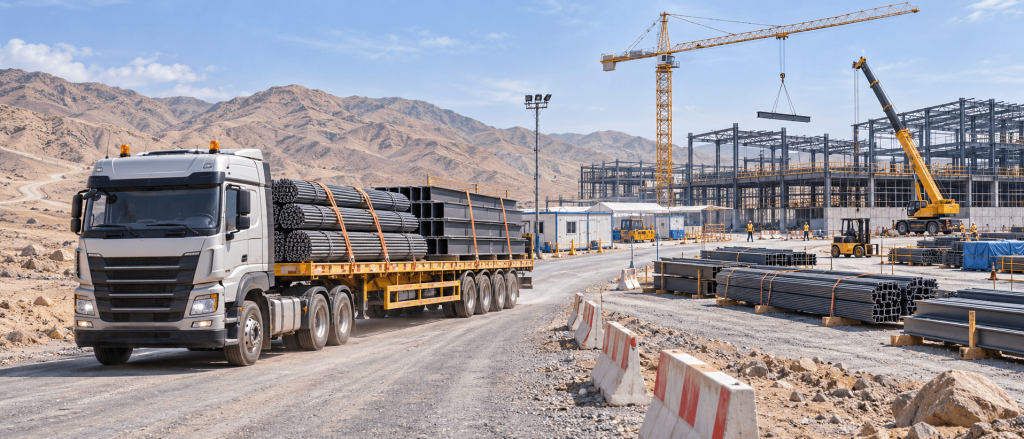
Supplying steel to remote construction sites is a complex logistical operation that requires careful planning to ensure that reinforcing steel and structural steel components arrive on time and in the required condition. This process becomes particularly important for construction projects located outside major cities or far from distribution centers, where long transportation distances, challenging road conditions, and limited equipment availability can affect supply efficiency.
The challenges extend beyond transportation costs to include potential delivery delays, material damage, and disruptions to construction activities. Therefore, successful steel supply operations depend on effective coordination between suppliers, transportation companies, and project management teams, supported by an operational plan that considers material specifications and site requirements.
Preparing and Securing Steel Shipments Before Transportation
The process of transporting reinforcing steel (rebar) to remote construction sites begins with shipment preparation at the warehouse or manufacturing facility, rather than when the materials are loaded onto trucks. Variations in rebar lengths, steel section dimensions, and material weights require specific handling and securing procedures to maintain load stability and safety throughout transportation.
Steel Bundling and Load Securing Standards
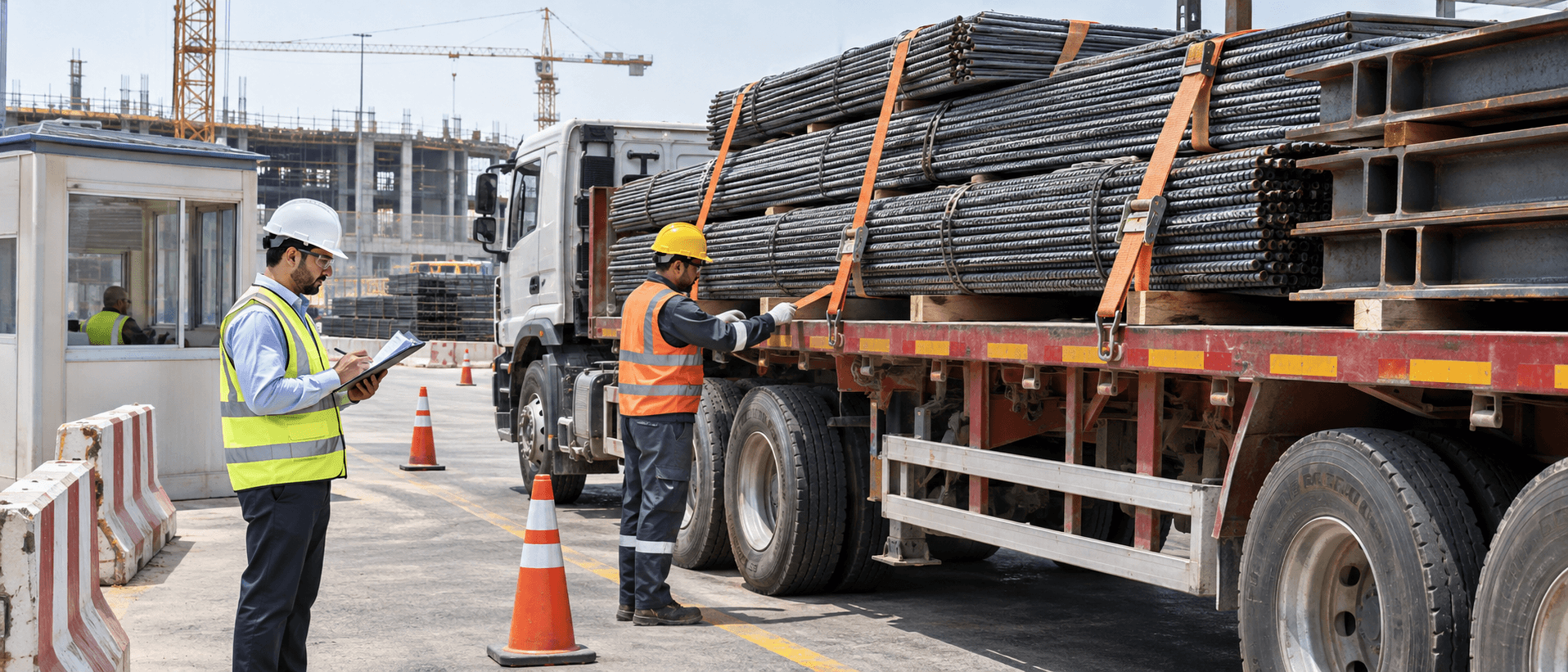
Securing steel shipments requires proper loading and restraint procedures based on material dimensions and weight. Key requirements include:
- Secure Load Fastening: Use approved load restraints suitable for the shipment, while protecting contact points and sharp edges to prevent damage.
Proper Weight Distribution: Comply with permitted weight limits and distribute the load evenly across the trailer axles to maintain stability.
Weather Protection: Use appropriate protective covers when necessary, ensuring that water and moisture do not accumulate around materials susceptible to corrosion.
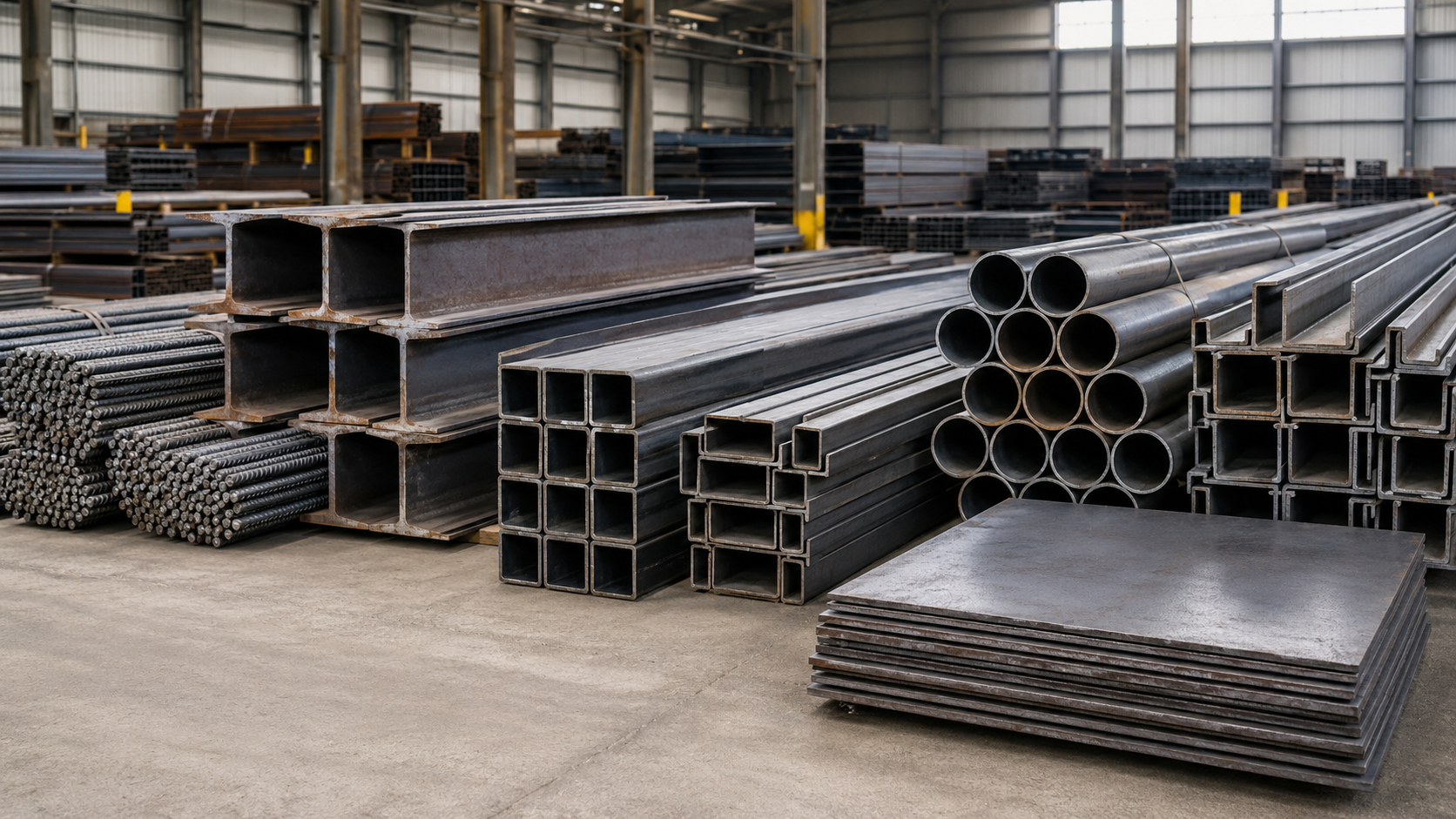
- Material Classification: Organize reinforcing bars and structural steel sections according to their lengths, diameters, and weights to facilitate efficient loading and unloading.
These procedures help minimize the risk of load shifting, slipping, and deformation of steel sections caused by vibrations and movement during transportation.
Choosing the Right Trucks and Trailers for Steel Transportation
Selecting the appropriate transportation equipment depends on the shipment's weight, dimensions, and the road conditions leading to the construction project site. Flatbed trailers are commonly used to transport reinforcing steel bars and long structural steel sections, while oversized steel structures may require specialized trailers.
For remote construction sites with unpaved roads, it is essential to assess the vehicle's ability to operate safely, axle load limits, and maneuverability at site entrances and road bends. The transportation route must also be evaluated in advance to ensure it can accommodate any oversized or exceptionally dimensioned steel shipments.
Steel Delivery Scheduling and Coordination at Construction Sites
Effective steel delivery scheduling is a key component of construction material logistics, particularly for remote construction sites or projects with limited storage space and access to operational facilities.
A well-planned steel supply schedule should align with the actual construction phases, ensuring that the required quantities arrive sufficiently ahead of their intended use without causing excessive material accumulation or storage congestion on-site.
Coordinating Transportation, Equipment, and Site Operations
To ensure efficient steel delivery and unloading operations, several important requirements should be considered:
Schedule truck arrivals in coordination with the site engineer and warehouse supervisor.
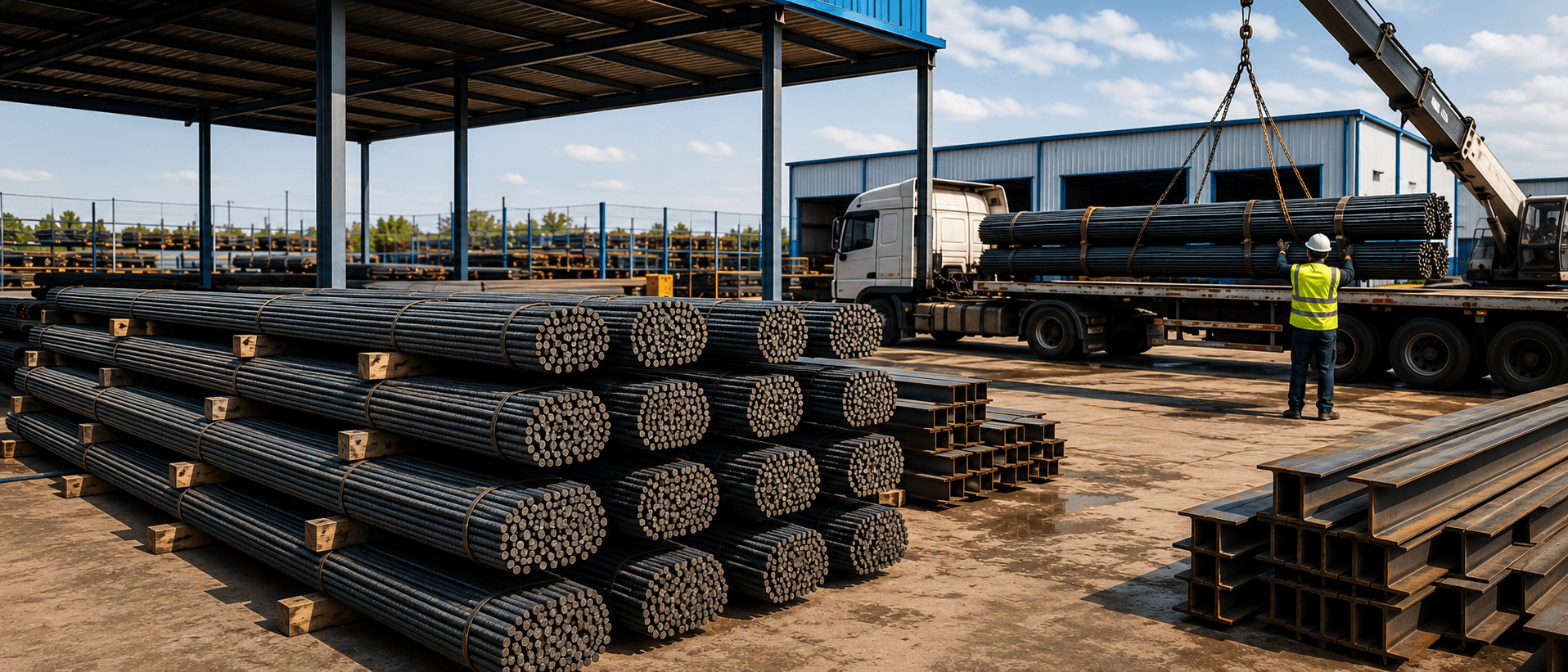
Arrange suitable cranes and material handling equipment based on the weight and length of steel shipments.
Designate temporary storage areas with stable ground conditions and safe access routes.
Provide appropriate supports or spacers to prevent direct contact between steel materials and the ground when necessary.
Establish clear communication procedures to report delivery delays or changes to scheduled arrival times.
Poor coordination between transportation providers and construction site teams can lead to longer truck waiting times, increased equipment and labor costs, and potential disruptions to construction activities that depend on the timely delivery of steel materials.
Documentation, Safety, and Regulatory Compliance During Steel Transportation
Managing the supply and transportation of construction materials requires compliance with applicable regulatory and technical requirements, particularly when transporting heavy or oversized steel loads over long distances.
Transportation Safety and Permit Requirements
Before dispatching a steel shipment, it is essential to verify the truck's roadworthiness, inspect the condition of its tires and braking systems, and ensure that all load-securing equipment is functioning properly.
Transport operators must also comply with legal weight and dimension limits, obtain the necessary permits for oversized or overweight loads when required, and consider any traffic restrictions along the planned transportation route.
Quality Inspection and Material Compliance Upon Delivery
Upon arrival at the construction site, shipping documents and delivery records should be reviewed to verify that the supplied steel materials comply with the purchase order and the project's approved technical specifications.
The inspection process should include checking material quantities, bar diameters, and lengths, reviewing the required material certificates, and identifying any visible bending, deformation, or damage that may have occurred during transportation.
All discrepancies and inspection findings must be documented before formally accepting the shipment. Any non-compliant materials should be isolated until they have undergone technical evaluation and an appropriate decision has been made regarding their acceptance or rejection.
Conclusion
Successful steel supply to remote construction sites depends on a well-coordinated logistics process that begins with advance planning, continues through proper shipment preparation, load securing, and delivery scheduling, and concludes with quality inspections and organized material acceptance.
At Smart Skill, we understand the importance of aligning steel supply operations with construction project requirements. Effective coordination helps reduce operational risks, improve supply chain efficiency, and maintain the continuity of construction activities.Every steel shipment delivered on time and in compliance with the required specifications contributes to better project cost control and helps keep construction schedules on track.